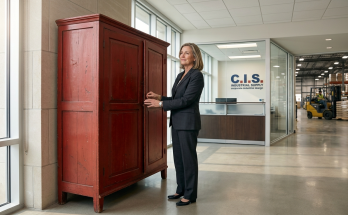
For a moment I wondered whether I was reading the handwriting incorrectly.
Dad’s note sat beneath the corporate ownership chart in dark blue ink.
David isn’t alone.
Then, underneath:
BENNETT — ask about Redwood documents.
I looked at Mom.
“When did you hire Bennett?”
She blinked.
“What?”
“After Dad died. When did you first contact him?”
“The day after the funeral.”
“Why him?”
“He contacted me.”
That answer landed harder than I expected.
“He contacted you?”
“Yes.”
“You told us you had hired him to settle questions.”
“I did hire him.”
“After he approached you.”
Mom nodded slowly.
Samuel was still on the phone.
He heard every word.
“Helen,” he said, “what exactly did Bennett tell you when he first called?”
She frowned, searching her memory.
“He said Richard had left the estate complicated.”
“How would he know?”
“I assumed lawyers talk.”
Samuel made a quiet sound that contained no amusement.
“We do. Not like that.”
Mom looked at me.
“He said there might be documents that could upset the family.”
My pulse changed.
“What documents?”
“He didn’t specify.”
“Did he mention the wardrobe?”
Her silence answered.
“Mom.”
“Yes.”
“What did he say?”
“That Richard kept unreliable notes.”
I stared.
Bennett had known about Dad’s records before I opened the wardrobe.
“Anything else?”
“He said if you found papers among Richard’s belongings, I shouldn’t panic.”
“That sounds almost helpful.”
“It did at the time.”
Samuel asked, “Did Bennett offer to retrieve or review those papers?”
Mom’s expression shifted.
“Yes.”
“When?”
“The first phone call.”
Samuel went quiet.
I looked at Dad’s note again.
“Did you tell Bennett the wardrobe was going to me?”
“I think so.”
“Before I took it?”
“Yes.”
The scrape marks on the workroom floor came back to me.
The scratches around the drawer lock.
Mom had admitted searching it.
But maybe she had not been the only one.
“Did Bennett ever come to the house alone?”
Mom frowned.
“Once.”
“When?”
“Two days before we divided everything.”
“What did he want?”
“He said he needed to inspect some of Richard’s records.”
“Did you leave him alone?”
“For maybe twenty minutes.”
I closed my eyes.
There it was.
Another person with access.
Another person who knew something was hidden.
Samuel said, “Helen, did Bennett recommend the distribution you made?”
Mom looked embarrassed.
“Partly.”
“What does partly mean?”
“He said probate could take months.”
“And?”
“He said there was nothing wrong with family members taking possession of items everyone agreed belonged to them.”
I almost laughed.
“Except nobody asked me what I agreed to.”
Mom lowered her eyes.
“No.”
“What did he say about the house?”
“He said Thomas taking possession wouldn’t necessarily determine legal ownership.”
That was technically true.
“And you heard what you wanted to hear.”
“Yes.”
I appreciated that she no longer fought every conclusion.
“What about Sarah’s SUV?”
“He said not to transfer the title until he reviewed it.”
“But you gave her the vehicle anyway.”
“Yes.”
“And Grandma’s bracelets?”
Mom looked at me.
“That was me.”
At least Bennett wasn’t responsible for every bad choice.
I turned to Samuel.
“What is Redwood Family Trust?”
“I need records before I can answer that.”
“Can you get them?”
“If Bennett created it or served as counsel, possibly through discovery or voluntary production. But first I can check public filings and your father’s materials.”
“Dad already knew something.”
“Yes.”
I looked at the note.
“Ask about Redwood documents.”
Samuel said, “Do not contact Bennett yourself.”
“Why?”
“Because we don’t know what role he played.”
“Mom hired him.”
“That is precisely why we need caution. He may have duties to Helen, depending on the scope of representation.”
Mom shook her head.
“I don’t want him representing me anymore.”
Samuel paused.
“That decision should be made carefully, but you certainly have the right to change counsel.”
“I’m changing.”
“Then notify him in writing. Do not accuse him of anything.”
Mom almost smiled.
“You sound like Richard.”
“I spent thirty years telling Richard not to accuse people before we had evidence.”
“Did he listen?”
“Almost never.”
Despite everything, the three of us laughed.
It lasted perhaps two seconds.
Then Dad was gone again.
I folded the corporate chart.
“We need to go home.”
Mom looked toward the empty fairgrounds.
“I don’t want to.”
“Why?”
“I’m ashamed.”
I understood.
But shame had already cost our family too much.
“Thomas and Sarah are waiting.”
“That makes it worse.”
“Probably.”
She looked at me.
I held out my hand.
“Come anyway.”
She took it.
The police confirmed Mom was safe and closed the immediate missing-person concern.
Samuel arranged for the laptop to be secured without further access.
We drove back separately, Mom following me in a borrowed vehicle the police helped arrange after confirming hers remained at home.
When we entered the house, Sarah ran toward her.
Mom barely had time to put down her bag.
Sarah hugged her hard.
Then hit her shoulder once with an open hand.
“Don’t ever do that again.”
Mom started crying.
“I’m sorry.”
Thomas stood farther back.
He looked relieved but uncertain.
Mom opened one arm.
He went to her.
For a minute I remained near the doorway.
That old position.
Close enough to help.
Far enough not to need anything.
Then Sarah looked at me.
“Come here.”
I almost said I was fine.
The words reached my tongue.
I swallowed them.
I joined them.
Four people holding one another in a hallway Dad had walked through thousands of times.
It did not repair anything.
It mattered anyway.
Later, we sat around the dining-room table again.
No lawyer.
No inheritance piles.
No jewelry.
Just coffee.
Mom told Thomas and Sarah what she had admitted to me.
The Northbridge payments.
The trust transfers.
The reserve account.
The missing laptop.
She did not soften it.
Thomas stared into his cup.
Sarah cried quietly.
When Mom finished, Thomas asked, “Why didn’t you let me fail?”
She looked at him.
“What?”
“The first time.”
Mom seemed confused.
“When I lost money gambling. Why didn’t you let me deal with it?”
“You were my son.”
“That isn’t an answer.”
“It is to a mother.”
Thomas shook his head.
“No. It’s what you told yourself.”
Mom looked hurt.
He continued.
“If I had lost the house, maybe I would have stopped before people followed Margaret.”
I said, “Thomas.”
“No.”
He looked at me.
“I need to say it.”
Then he faced Mom again.
“You kept saving me until I thought consequences were things Dad would pay.”
Mom’s face collapsed.
“I was trying to help.”
“I know.”
His voice softened.
“That’s the problem.”
Sarah stared at her hands.
“You did it to me too.”
Mom whispered, “I know.”
“I thought Dad believed in my boutique.”
“He believed in you.”
“But he didn’t believe in the boutique.”
“No.”
Sarah laughed through tears.
“That would have been useful information.”
Mom covered her face.
I watched them.
A strange thing happened.
For once, I did not rescue Mom from their anger.
I didn’t explain her intentions.
I didn’t tell Thomas to be grateful.
I didn’t remind Sarah that Mom meant well.
I let the consequences remain where they belonged.
Dad would have understood.
After a while, Mom lowered her hands.
“I don’t know how to fix this.”
Thomas said, “Start by not fixing it.”
She looked confused.
“Let us handle our own part.”
Sarah nodded.
Mom looked at me.
“And Margaret?”
I thought carefully.
“Tell the truth when Samuel asks.”
“Even if it hurts me?”
“Yes.”
She nodded.
“All right.”
My phone rang.
Samuel.
I answered.
“I found something,” he said.
We all went quiet.
“What?”
“Bennett’s connection to Redwood.”
I put the call on speaker.
Samuel continued.
“Redwood Family Trust was drafted by Bennett’s firm.”
Mom closed her eyes.
“Did he know I was beneficiary?”
“His signature appears on an amendment adding you.”
“When?”
“Two years and eight months ago.”
Before Dad discovered the trust.
Before Mom claimed to understand what Northbridge was doing.
“Who established Redwood?” I asked.
“The settlor is another entity.”
“Which?”
“Mercer Advisory Group.”
David.
Thomas whispered a curse.
“So David created a trust benefiting Mom.”
“Yes.”
“Why?”
“We don’t know yet.”
“What about Bennett?”
“He served as drafting counsel.”
“Does that prove he knew the purpose?”
“No.”
I was beginning to appreciate how often the truthful answer was no.
Samuel continued.
“But there is more.”
“Of course.”
“Bennett’s firm received payments from Northbridge.”
“How much?”
“Approximately ninety thousand dollars over three years.”
“For legal work?”
“Possibly.”
“You don’t sound convinced.”
“Because the descriptions are vague.”
Mom whispered, “He knew.”
Samuel answered carefully.
“He knew something. We still need to determine what.”
Thomas leaned forward.
“Did Dad know about the payments?”
“Yes.”
“How?”
“They’re in a file I found among the materials from Box 317.”
I closed my eyes.
Dad had reached Bennett before dying.
“What did he do?”
“He wrote Bennett a letter.”
“When?”
“Nine days before his death.”
“What did it say?”
Samuel paused.
“He demanded that Bennett preserve all records relating to Redwood, Northbridge, Helen, David Mercer, and Collins Industrial Supply.”
Mom went pale.
“Did Bennett respond?”
“Yes.”
“What did he say?”
“He denied knowledge of any improper transactions and agreed to preserve records.”
I looked around the table.
“Then he knew Dad was investigating him.”
“Yes.”
“And after Dad died, he called Mom.”
“Yes.”
“Then encouraged her to settle the estate quickly.”
Mom whispered, “Yes.”
The room went silent.
I remembered Bennett sitting beside her.
Calm.
Professional.
Watching me place Dad’s papers on the table.
He had known exactly what those papers might contain.
I asked Samuel, “Why would he come to that meeting if he knew Dad had investigated him?”
“To learn what you knew.”
Thomas answered before Samuel could.
I looked at my brother.
His face had gone hard.
“That’s what I would have done.”
It was not flattering.
It was probably correct.
Samuel said, “Margaret, I want everyone to preserve their phones and emails.”
“Already doing it.”
“Good. And nobody contacts Bennett.”
Mom nodded.
Then Sarah spoke.
“I already did.”
Every head turned.
“When?”
“This afternoon.”
My stomach dropped.
“Why?”
“I wanted to ask about the SUV.”
“What did you tell him?”
“Nothing important.”
“Sarah.”
She looked frightened.
“I said Margaret found Dad’s real will.”
“He knew that.”
“And I said there was some kind of investigation into Northbridge.”
Samuel’s voice sharpened.
“What exactly did Bennett ask?”
Sarah thought.
“He asked whether Margaret had found the second key.”
I froze.
Thomas stared at her.
“What second key?”
Sarah shook her head.
“I assumed he meant the safe-deposit key.”
I slowly reached into my pocket.
The key stamped 317 was with Samuel now.
“What did you say?”
“I said yes.”
Samuel went silent.
I asked, “Why is that important?”
“Because I never told Bennett about Box 317.”
Thomas stood.
“Dad didn’t tell me what the key opened.”
Mom looked frightened again.
“Richard never told me either.”
I thought of the wardrobe.
The hidden drawer key.
Thomas’s safe-deposit key.
“Maybe Bennett meant another key.”
Samuel said, “That is exactly what worries me.”
I stood.
“Dad said the wardrobe was a chain.”
Notebook to Samuel.
Samuel to the will.
Thomas’s key to Box 317.
“What if Box 317 wasn’t the last link?”
Nobody answered.
I remembered the contents of the safe-deposit box.
Folders.
Recorder.
Flash drive.
Documents.
Had there been another key?
No.
Then I remembered Dad’s hidden compartment behind the mirror.
Three objects.
A flash drive.
An envelope.
And a small key.
Not the drawer key.
Not Thomas’s larger brass key.
A second small key I had placed into the document bag without knowing what it opened.
My pulse jumped.
“I have another key.”
Samuel said, “Where?”
“In the garage materials.”
Mom stared.
“What does it look like?”
“Small. Silver.”
Her face changed.
“You know it.”
“I’ve seen Richard use it.”
“Where?”
She swallowed.
“The wardrobe.”
I frowned.
“It doesn’t fit the drawer.”
“Not the drawer.”
Mom stood.
“The bottom.”
“What bottom?”
She looked at me.
“The wardrobe has a false base.”
Dad had repaired that wardrobe for decades.
I had searched the back.
The shelves.
The mirror.
The drawer.
But never underneath the bottom interior panel.
Samuel said, “Do not go alone.”
I was already reaching for my coat.
This time nobody argued about coming.
Forty minutes later, Samuel met us at the garage.
The wardrobe stood exactly where I had left it.
Old.
Red.
Crooked.
Still supported temporarily by a block beneath the damaged leg.
I opened both doors.
Mom crouched.
“Richard used to lift this panel when we were young.”
“Why?”
“He kept cash there when the company first started.”
I ran my fingers along the bottom.
Nothing.
Then Thomas found a tiny metal plate near the rear corner.
A keyhole.
I inserted the silver key.
It turned.
The entire wooden base lifted half an inch.
Thomas helped me raise it.
Beneath was a shallow compartment.
Inside lay one sealed package wrapped in oilcloth.
Dad had written my name across it.
MARGARET — LAST ONLY.
My hands trembled.
Samuel cut the old cord.
Inside was a ledger.
Not the black notebook.
A formal accounting ledger.
And beneath it, a signed document.
I read the heading.
CONFIDENTIAL SHAREHOLDER AGREEMENT.
Samuel took it.
His eyes moved quickly down the page.
Then stopped.
“What?”
He looked at me.
“Your father didn’t own sixty-one percent of Collins Industrial Supply.”
I stared.
“But the transfer—”
“He personally held sixty-one percent.”
“What’s the difference?”
Samuel turned the final page toward me.
“There are additional shares held through another entity.”
“How many?”
“Twenty-four percent.”
“Who owns them?”
Samuel pointed to the beneficiary line.
I read my own name.
My mouth went dry.
Dad had not transferred sixty-one percent of the company to me.
Between the direct shares and the hidden entity, he had placed eighty-five percent under my ultimate control.
And the document showed why.
The remaining fifteen percent belonged to one person.
David Mercer.